
Enjoy RM5 OFF delivery fees with a minimum purchase of RM150
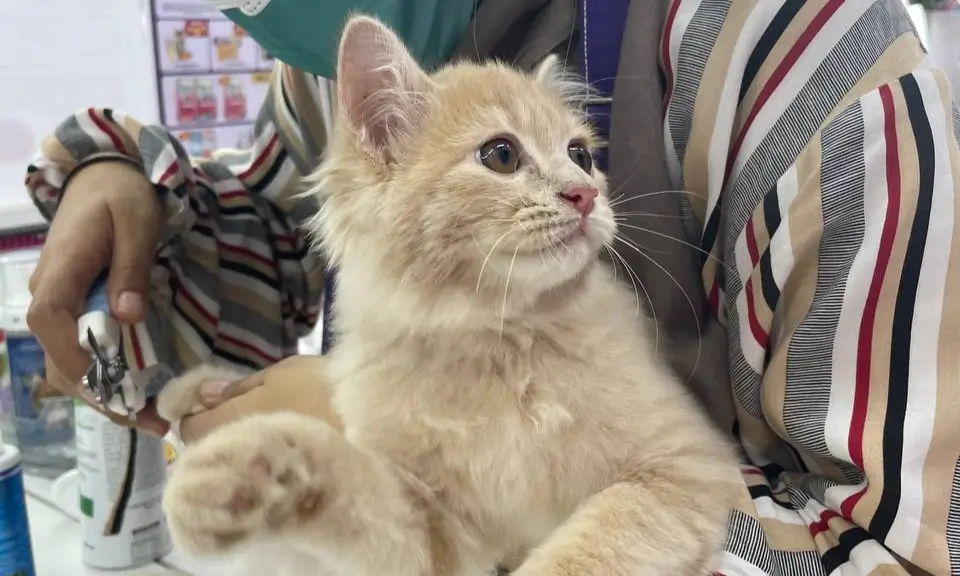
Have you ever felt a hard lump or noticed tangled fur while petting your cat?
What starts as a small knot can gradually become a tight mat that pulls against the skin, causing discomfort and sometimes pain.
Cat matting is more than just a cosmetic concern.
When left untreated, tightly tangled fur can trap dirt and moisture, irritate the skin, restrict movement and conceal underlying skin problems.
Long-haired breeds such as Persians and Maine Coons may be particularly prone to matting, but cats of any breed or age can be affected.
Although small, loose tangles may sometimes be managed with gentle brushing, severe matting often requires professional attention. Attempting to pull apart tight knots or cut them with scissors can cause unnecessary pain and accidental injuries.
Understanding the seven potential health risks of cat matting, recognising early warning signs and knowing when to seek appropriate grooming care can help you make informed decisions about your cat’s comfort, hygiene and overall wellbeing.
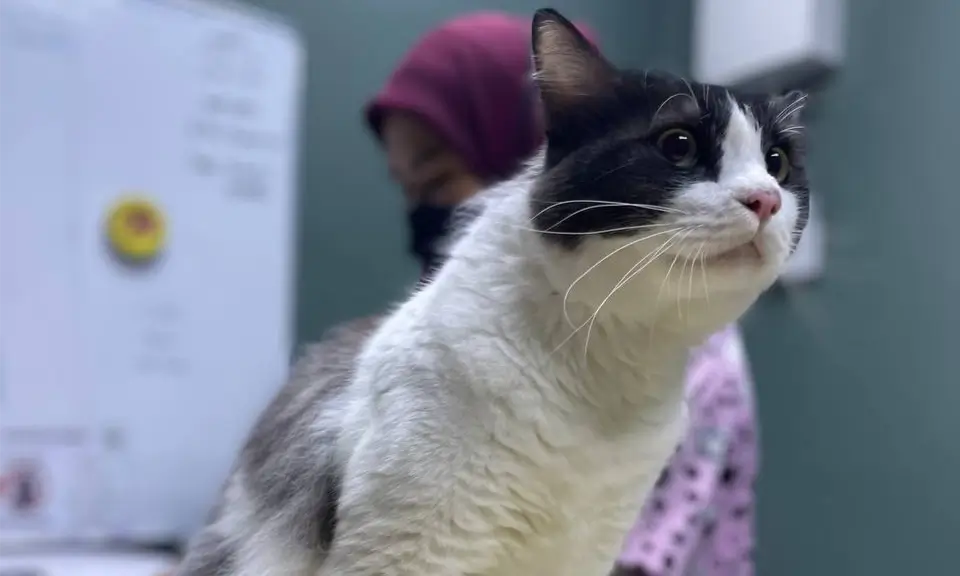
Cat matting occurs when loose hair becomes tangled with surrounding fur, forming knots that can gradually become dense and difficult to separate.
These knots often develop when shed hair remains trapped in the coat, particularly in cats with long or thick fur.
Unlike ordinary loose hair, matted fur may pull against the skin as your cat moves.
If several mats join together, they can form larger, tightly connected sections known as pelting.
Understanding how matting develops can help cat owners identify small tangles before they become more uncomfortable.
Cats naturally shed hair as part of their coat’s growth cycle.
Although they regularly groom themselves, some loose hair can remain trapped beneath the outer coat.
When this loose hair mixes with natural oils, dirt or moisture, it may become tangled with nearby strands.
Friction from daily movement can make these knots tighter.
For example, a Persian cat may appear well-groomed on the surface while small mats develop beneath the coat, particularly around its armpits or stomach.
Without regular attention, additional loose fur can become trapped in these knots, making them progressively harder to remove.
Several factors can contribute to cat matting:
Matting often develops through a combination of these factors rather than one specific cause.
Long-haired breeds such as Persians and Maine Coons may develop mats more easily because their longer fur and dense undercoats can trap loose hair.
However, matting is not limited to long-haired cats.
Older cats may become less flexible due to arthritis or other health conditions, making it difficult to groom their backs and hindquarters.
Overweight cats may also struggle to reach certain areas.
A sudden increase in matting, particularly in a cat that previously maintained its coat well, may indicate reduced mobility, discomfort or another underlying health issue.
If you notice this change, consider arranging a veterinary assessment rather than assuming that additional brushing alone will resolve the problem.
Yes, cat matting can be painful, especially when the tangled fur becomes tight enough to pull against the skin.
Small, loose tangles may initially cause little discomfort.
However, as mats become larger and more compact, they can create tension on the skin whenever a cat walks, stretches, jumps or changes position.
The level of discomfort depends on the size, location and tightness of the mat, as well as the condition of the underlying skin.
Normal fur moves relatively freely as a cat changes position.
Matted fur behaves differently because many strands are tightly tangled together.
This restricts their movement and can pull on the skin beneath the knot.
Mats around the armpits, stomach and inner legs may be particularly uncomfortable because these areas move frequently.
When mats become closely attached to the skin, even gentle handling can cause discomfort.
This is why repeatedly pulling at a tight knot is not an appropriate grooming solution.
Cats do not always show obvious signs of pain. Some may continue eating, resting and playing despite having uncomfortable mats.
However, possible warning signs include:
These behaviours are not specific to matting and may have other medical or behavioural causes.
If your cat appears to be in significant pain, avoid manipulating the affected fur and consult a veterinarian.
Cat matting is not simply an appearance issue. When knots become tight or widespread, they may affect a cat’s skin, hygiene, movement and behaviour.
Not every cat with matted fur will experience all these problems. However, understanding the potential risks helps owners recognise why early coat care matters.
Tight mats can create continuous tension on the skin.
This pulling sensation may become more noticeable when your cat stretches, walks or changes sleeping positions.
For example, a mat near the armpit may pull whenever the front leg moves.
Even without an obvious wound, this repeated tension can make the affected area sensitive to touch.
Matted hair can rub against the underlying skin and contribute to irritation.
Affected areas may become red, itchy or uncomfortable, particularly when the cat repeatedly scratches or licks them.
Because dense mats cover the skin, owners may not immediately notice these changes.
If redness persists or the skin appears broken, swollen or inflamed, veterinary assessment is appropriate.
Dense mats can accumulate moisture, natural oils and dirt.
This makes the coat more difficult to clean and dry properly.
Mats around the hindquarters may also collect urine or faecal residue, particularly when the cat has difficulty maintaining its own hygiene.
Over time, the affected fur may develop an unpleasant smell.
Poor hygiene and prolonged moisture exposure can also contribute to skin problems, making early grooming attention important.
Tightly tangled fur can conceal the skin underneath.
Small wounds, scratches, fleas or irritated areas may remain unnoticed until the mat is removed.
Although matting does not directly cause flea infestations, it can make routine skin inspection more difficult.
Once matted hair is clipped away, previously hidden problems may become visible.
Owners should seek veterinary advice if they discover wounds, suspected infections or significant inflammation.
Severe matting may restrict comfortable movement, especially around the legs, armpits and stomach.
When fur becomes tightly connected across moving parts of the body, it may pull against the skin as the cat walks or stretches.
Some cats may become reluctant to extend their legs fully or adopt certain grooming positions.
However, reduced mobility can also indicate arthritis or other medical conditions.
Owners should not assume that matting is the only cause of movement difficulties.
Cats experiencing discomfort may become more sensitive to handling.
A normally affectionate cat might suddenly resist brushing, avoid being picked up or become defensive when its coat is touched.
Repeated attempts to forcefully detangle painful mats may increase distress and make future grooming sessions more difficult.
Owners should pay attention to signs of discomfort and avoid forcing the cat to tolerate painful handling.
Small knots may progressively collect more loose fur, becoming larger and tighter over time.
In advanced cases, several mats can join together into dense sections of fur known as pelts.
These tightly compacted areas are generally unsuitable for ordinary brushing.
Depending on the extent of matting, professional clipping or veterinary-assisted removal may be needed.
Addressing small tangles early can help prevent more complicated grooming situations later.
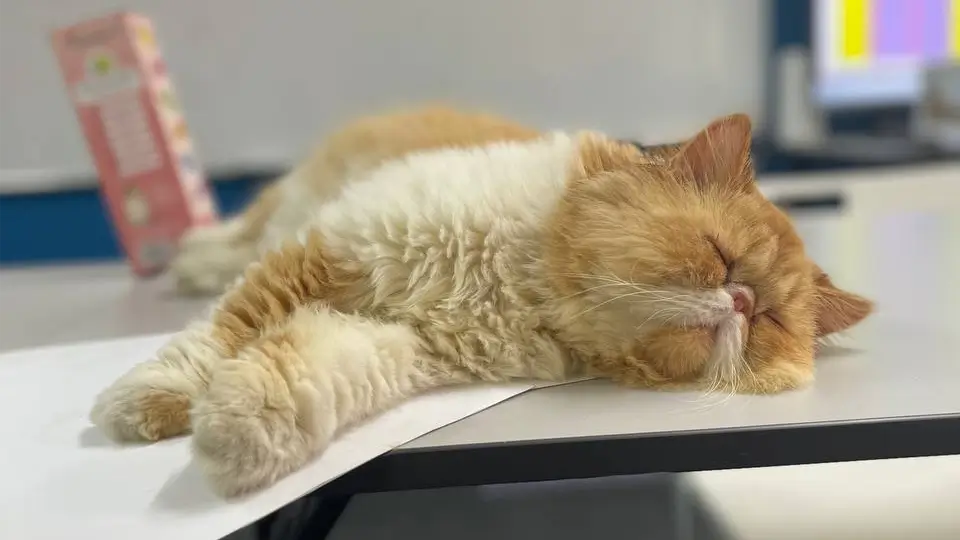
Cat matting does not directly cause hairballs.
Hairballs develop when cats swallow loose fur while grooming themselves.
Much of this hair normally passes through the digestive system, although some may accumulate in the stomach and be regurgitated.
Matting and hairballs are separate problems, but both can involve loose or shedding hair.
When cats groom themselves, their tongues collect loose hair from the coat.
Cats that shed heavily or have long fur may swallow more loose hair during grooming.
However, having matted fur does not automatically mean a cat will develop more hairballs.
The relationship is primarily linked to loose hair and self-grooming rather than the presence of mats themselves.
Regular brushing removes loose hair before it becomes tangled or is swallowed.
It also provides an opportunity to check for developing knots, particularly beneath a thick undercoat.
While brushing may help reduce loose-hair ingestion, it does not guarantee that hairballs will disappear.
Frequent vomiting, repeated unproductive retching, loss of appetite or other concerning symptoms require veterinary attention.
Early cat matting is not always easy to see.
A cat may appear to have a smooth, clean coat while small knots form underneath the outer fur.
Regular, gentle coat checks can help identify these areas before the mats become tightly attached to the skin.
Mats often form in areas exposed to friction or areas that cats find difficult to groom.
Common locations include:
Long-haired cats may require particularly careful checks in these areas because the outer coat can conceal developing knots.
Choose a time when your cat is relaxed and comfortable being handled.
Start by gently separating small sections of fur with your fingers.
Look for tangled patches, tightly grouped strands or areas that feel unusually firm.
If the fur is loose and your cat tolerates brushing, use a suitable comb gently without pulling against the skin.
Do not force a comb through resistant knots.
Keep the inspection brief if your cat becomes restless or uncomfortable.
Consider professional grooming assistance when:
If the skin appears injured, your cat shows significant pain or you suspect an infection, consult a veterinarian instead of attempting further grooming at home.
Whether matted fur can be removed without shaving depends on the size, tightness and location of the knots.
Small, loose tangles may sometimes be gently separated using suitable grooming tools.
However, hard or widespread mats are often better managed through professional clipping because prolonged detangling can cause unnecessary pulling and discomfort.
The priority should be your cat’s comfort rather than preserving every strand of fur.
Gentle detangling may be suitable when the knot is small, loose and not tightly attached to the skin.
The process should involve minimal tension and should stop if your cat becomes uncomfortable.
Trying to pull apart a tight mat repeatedly can irritate the skin and increase handling stress.
If a tangle cannot be separated comfortably, seek professional advice.
Never attempt to cut tightly matted fur using household scissors.
Cats have delicate skin that can become folded or trapped within dense mats.
Because the skin may be hidden directly beneath the tangled hair, it is possible to cause an accidental cut even when the scissors appear to be positioned safely.
Such injuries may lead to bleeding and require veterinary treatment.
Professional groomers use suitable equipment and handling techniques when assessing and removing mats.
Professional clipping may be more appropriate when mats are tightly attached, widespread or uncomfortable to detangle.
Clipping can remove the affected fur without repeatedly pulling on the skin.
However, using clippers close to delicate or damaged skin still carries risks.
Cats with severe matting, significant pain or substantial handling difficulties may need veterinary assessment before removal.
Professional grooming can help manage matted fur when ordinary home brushing is no longer suitable.
The appropriate grooming method depends on the extent of the matting, the condition of the coat and skin, and the individual cat’s ability to tolerate handling.
For cat owners in Klang, Puncak Alam and surrounding Selangor communities, professional grooming may also help maintain a consistent coat-care routine alongside work and family responsibilities.
The first consideration is whether the coat can be managed without causing unnecessary discomfort.
A groomer may examine the location and tightness of the knots, the overall coat condition and the cat’s response to handling.
Minor tangles may be suitable for gentle detangling, while tightly connected mats may require clipping.
If significant pain, wounds or suspected infections are present, veterinary assessment should take priority.
A Lion Cut is a grooming style in which the body fur is clipped short while selected fur around the head, lower legs and end of the tail is retained.
For cats with severe or widespread matting, clipping the body coat may help remove tightly tangled sections without prolonged brushing.
However, a Lion Cut is not necessary for every cat with matted fur.
The decision should consider coat condition, skin health, handling tolerance and the suitability of the procedure.
A Lion Cut does not make fur grow back faster or thicker.
It removes the existing coat in selected areas and allows subsequent regrowth without the old tangles.
Some cats develop oily coats that make loose hair more likely to clump together.
Where suitable, a degreasing grooming treatment may help remove accumulated oils and dirt.
Medicated grooming may also be appropriate when a veterinarian has recommended a suitable cat-safe product for a particular skin concern.
However, these treatments do not replace veterinary diagnosis or treatment.
Cats with open wounds, suspected infections, significant inflammation or persistent skin problems should be examined by a veterinarian.
Professional grooming primarily addresses coat hygiene and maintenance.
Veterinary attention is more appropriate when your cat experiences significant pain, bleeding, open wounds, suspected infection or difficulty moving normally.
Sudden matting in a previously well-groomed cat can also warrant investigation, especially if the cat is elderly or showing other changes in behaviour.
Some cats with extensive pelting or severe handling distress may require veterinary management to remove the affected coat.
Preventing cat matting is generally easier than removing large, tightly tangled sections of fur.
A consistent routine that includes brushing, coat checks and appropriate drying can help minimise the accumulation of loose hair.
For busy working cat owners, several short grooming sessions may be more manageable than attempting lengthy brushing sessions after mats have already formed.
Brushing frequency depends on your cat’s breed, coat length, shedding pattern and grooming ability.
Long-haired cats may benefit from daily brushing, while some short-haired cats require less frequent sessions.
Cats with thick undercoats, excessive shedding or reduced mobility may need additional attention.
The objective is to remove loose hair regularly and identify knots early rather than follow one fixed schedule for every cat.
Common tools for maintaining a cat’s coat include:
Choose tools that suit your cat’s coat and tolerance.
Avoid sharp equipment, forceful brushing or repeatedly pulling against the skin.
If you are uncertain about the appropriate tool, seek advice from an experienced cat groomer.
After bathing, ensure your cat’s coat is dried appropriately.
Thick or dense fur that remains damp can be difficult to maintain, especially when loose hair is already tangled.
Owners should also pay attention to commonly affected areas such as the armpits, stomach, neck and hindquarters.
Regular inspection helps identify changes before knots become harder to manage.
For more everyday hygiene and coat-maintenance guidance, explore Cats Hometown’s Cat Care articles.
Professional grooming may be useful when your cat’s coat becomes difficult to maintain through routine brushing.
Cats with long or thick coats, recurring knots or difficulty tolerating home grooming may benefit from an assessment.
There is no single professional grooming schedule suitable for every cat.
The appropriate frequency depends on coat condition, individual grooming needs and how comfortably the cat can be handled.
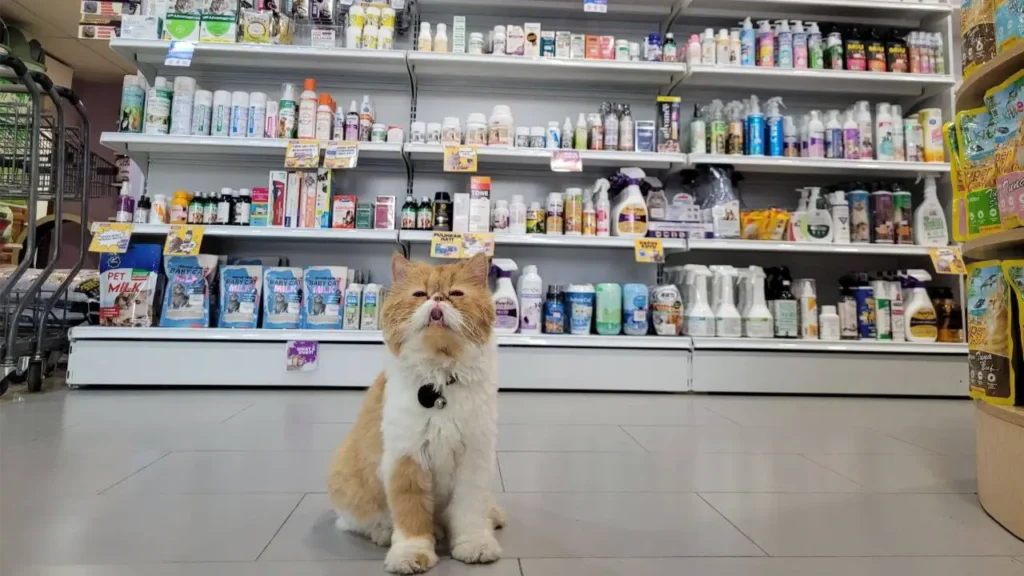
Cats Hometown provides cat grooming services to help owners maintain their cats’ coat hygiene and everyday care.
Its grooming offerings include bathing, drying, fur trimming, shaving, nail clipping, ear cleaning and other hygiene-related services, subject to individual requirements and branch availability.
For owners dealing with matting, selecting an appropriate grooming method should begin with understanding the cat’s coat condition rather than choosing a haircut based on appearance alone.
Different levels of matting may require different grooming approaches.
Small, loose tangles may be manageable through gentle coat maintenance.
More extensive or tightly attached mats may require professional clipping.
A Lion Cut may be considered when widespread matting makes ordinary detangling unsuitable.
Owners should discuss the available options, handling requirements and applicable charges before confirming a service.
If a cat has significant pain or signs of an underlying medical condition, veterinary assessment should come first.
Customer experiences can provide useful context when owners compare grooming providers.
However, individual reviews should not be treated as guarantees of future outcomes.
Two customer accounts recorded for Cats Hometown’s HQ branch describe positive grooming-related experiences.
One reviewer recommended the grooming service and commented favourably on the staff and the selection of cat food and accessories.
Another reviewer reported that their cats appeared clean and happy-looking after grooming and described the pricing as affordable.
These are individual customer-reported experiences.
They do not establish that every cat will respond similarly to grooming or that the same pricing and services remain available.
Before arranging professional grooming, gather some basic information about your cat’s coat and handling needs.
Useful details include:
Sharing this information during your enquiry can help determine whether routine grooming assessment is appropriate or veterinary attention should be considered first.
Use a secure, suitable carrier when transporting your cat for its appointment.
Grooming services, appointment arrangements and charges may differ depending on the branch and your cat’s individual requirements.
Before booking, confirm which grooming options are available and whether additional coat-care procedures may be necessary.
For busy cat owners who need assistance with travel arrangements, Cats Hometown also offers Pet Taxi services, subject to booking confirmation and coverage availability.
Understanding these details beforehand helps owners make informed arrangements while keeping their cat’s wellbeing the main priority.
Cat matting may begin as a small knot, but leaving it untreated can lead to persistent discomfort, skin irritation, trapped moisture, restricted movement and other coat-related problems.
Understanding these seven potential health risks can help you recognise when your cat needs attention before the matting becomes more severe.
Regular brushing, gentle coat checks and suitable grooming routines can help prevent loose fur from forming tight knots.
While minor tangles may sometimes be managed at home, hard or widespread mats are best assessed by a professional.
If your cat shows significant pain, open wounds or signs of infection, veterinary attention should take priority.
For cat owners in Klang, Puncak Alam and surrounding Selangor communities, Cats Hometown offers grooming services to support regular coat hygiene and maintenance.
If your cat has developed matted fur or needs help maintaining its coat, explore Cats Hometown’s professional cat grooming services and enquire about suitable grooming options, appointment availability and applicable charges.
Addressing matting early can help keep your cat’s coat more manageable and support its everyday comfort.
Tightly matted fur generally does not disappear without attention.
As more loose hair accumulates, mats may become larger and harder to separate.
Small, loose tangles may sometimes be gently detangled, while firmly attached mats usually require professional assessment.
Yes, brushing tight mats can be painful because the tangled hair pulls against the skin.
Gentle detangling may be appropriate for small, loose knots, but owners should stop if their cat flinches, resists handling or shows discomfort. Forceful brushing can cause unnecessary irritation.
It is generally better to address significant matting before bathing.
Wetting a tightly matted coat without suitable handling and thorough drying may make the tangles more difficult to manage.
If your cat has dense or widespread mats, seek professional advice before bathing.
Yes.
Although long-haired cats are more prone to matting, short-haired cats can also develop knots, especially when they have difficulty grooming themselves.
Ageing, obesity, reduced mobility and certain health conditions may contribute to this problem.
Matting can return as the coat grows if loose hair becomes tangled again.
A Lion Cut removes existing sections of matted fur but does not permanently prevent new mats from forming.
Regular brushing, coat checks and appropriate grooming remain important.
Yes.
Older cats may experience reduced flexibility, arthritis or other health problems that make self-grooming difficult.
They may require additional assistance maintaining their coats.
Sudden or unexplained matting in a senior cat should also be discussed with a veterinarian.
Fur regrowth varies depending on the cat’s breed, coat type, age and overall health.
Some cats show noticeable regrowth within several weeks, while restoring a longer coat may take several months or more.
Shaving does not make fur grow faster or thicker, and regrowth may differ between individual cats.

Order with Home Delivery

Find your nearest Cats Hometown